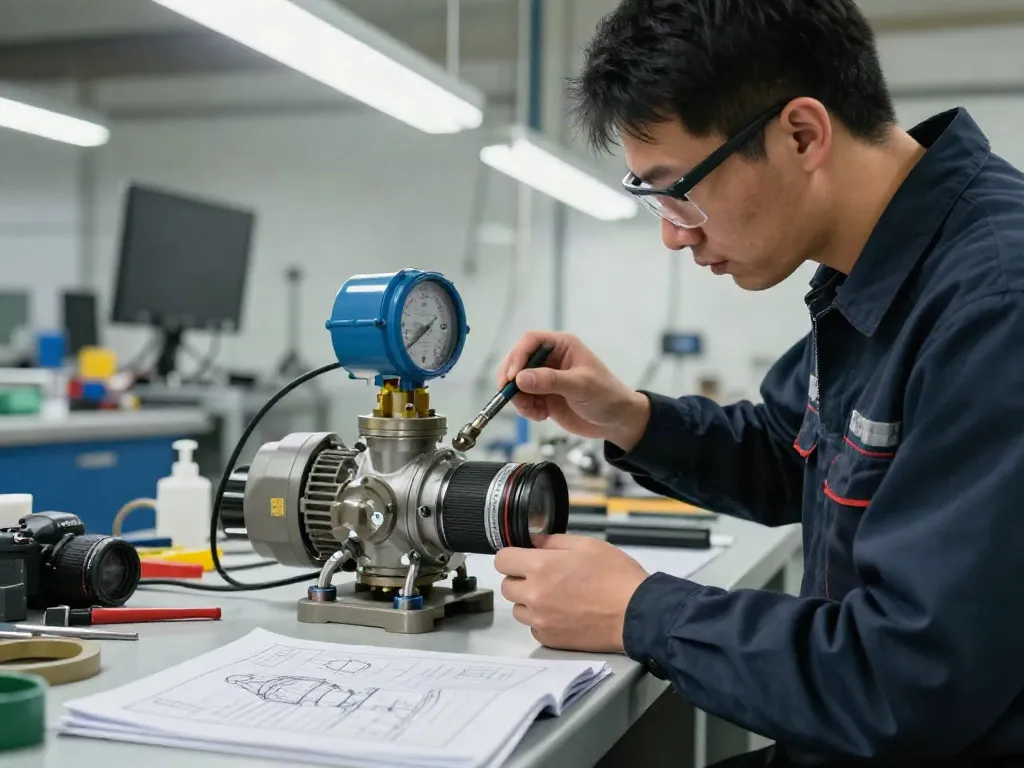
Understanding Water Pump Pressure Switches
Water pump pressure switches play a crucial role in ensuring the efficient operation of various water pumping systems. These devices automatically start and stop pumps based on the pressure levels within the system, providing a reliable solution for maintaining consistent water flow. With the increasing demand for efficient water management in both residential and commercial settings, understanding the functionality and benefits of a water pump pressure switch is essential for making informed decisions when it comes to managing pumping systems.
What is a Water Pump Pressure Switch?
A water pump pressure switch is an electromechanical device designed to regulate the operation of water pumps by monitoring the pressure within a water system. Typically, these switches are installed in conjunction with a pressure tank, and they work by detecting changes in pressure to determine when to turn the pump on or off. They are integral in systems where consistent water pressure is critical, such as in residential wells, irrigation systems, and commercial booster pumps.
How Water Pump Pressure Switches Work
The operation of a water pump pressure switch is based on a simple principle: it activates or deactivates the pump depending on the pressure level detected. The switch is calibrated to specific pressure settings, commonly referred to as the "cut-in" and "cut-out" pressures:
- Cut-In Pressure: This is the pressure at which the switch turns the pump on. For example, if the cut-in pressure is set at 30 PSI, the pump will start operating when the pressure in the system drops below this value.
- Cut-Out Pressure: Conversely, the cut-out pressure is where the switch turns the pump off. For instance, if this is set at 50 PSI, the pump will stop once the pressure reaches this threshold.
This automatic control helps maintain consistent pressure in water systems, which is essential for efficiency and water quality.
Common Applications and Functions
Water pump pressure switches are utilized in various applications, including:
- Residential Well Systems: They ensure reliable water supply by automatically controlling the pump based on household demand.
- Agricultural Irrigation: Pressure switches help manage irrigation systems, allowing for efficient water use in farming and gardening.
- Commercial Booster Pumps: In multi-story buildings, pressure switches maintain consistent water pressure across different floors.
- Industrial Applications: These switches are essential for operating water systems in factories and manufacturing plants.
Benefits of High-Quality Pressure Switches
Investing in high-quality pressure switches yields numerous advantages that ultimately enhance system performance and reliability. Here are some critical benefits:
Reliability and Performance Insights
High-quality pressure switches are designed to withstand frequent cycling and harsh environmental conditions. They utilize industrial-grade materials that ensure long-lasting durability and reliability. This reduces the likelihood of device failure and downtime, which can incur significant costs in both residential and industrial settings.
Energy Efficiency and Cost Savings
By ensuring that pumps operate only when necessary, efficient pressure switches contribute to energy savings. This not only lowers electricity bills but also extends the life of the pump by reducing wear and tear from unnecessary operation. For businesses, this translates into lower operational costs and improved profit margins.
Long-Term Durability and Maintenance
Quality pressure switches are calibrated to handle millions of cycles, thereby minimizing the frequency of replacements and maintenance. Businesses and homeowners can rely on these durable devices without worrying about regular repairs or replacements, which can be both time-consuming and costly.
Choosing the Right Pressure Switch for Your Needs
Selecting the appropriate water pump pressure switch is crucial for optimal performance. Here are several factors to consider:
Evaluating Specifications and Compatibility
Understanding the specifications of pressure switches, including voltage, amperage, and pressure ratings, is essential. Ensure that the switch is compatible with your pump's electrical system and meets the pressure requirements for your application. Always review manufacturer specifications and recommendations for optimal compatibility.
OEM vs. Aftermarket Options
While Original Equipment Manufacturer (OEM) parts generally guarantee compatibility and reliability, aftermarket options may offer cost savings. However, it is crucial to verify the quality and specifications to ensure they meet operational standards. In many cases, OEM parts may provide better warranties and support, making them a safer choice for critical applications.
Understanding Pressure Settings and Adjustments
Familiarizing yourself with how to adjust the pressure settings on your pressure switch is vital. Each system requires specific pressure cut-in and cut-out settings based on usage patterns, water demand, and system design. Adjustments should be made according to the manufacturer’s guidelines to prevent damage or inefficient operation.
Common Challenges with Pressure Switches
While pressure switches are reliable, there are challenges that users may face. Recognizing these issues allows for proactive maintenance and quick resolution:
Identifying Symptoms of Failure
Common signs of a failing pressure switch include:
- The pump continuously cycles on and off (short cycling).
- No water flow or insufficient water pressure in the system.
- Unusual noises from the pressure switch or pump.
- Visible leaks or corrosion at the unit.
Best Practices for Installation
Proper installation is key to the functionality of pressure switches. Ensure that the switch is mounted securely and at the correct orientation. Follow the instructions provided by the manufacturer and consider consulting with a professional if you lack experience.
How to Address Common Repair Issues
Maintaining the switch includes regular checks for leaks, corrosion, and electrical connections. If issues arise, troubleshoot by inspecting the power supply and confirming that the pressure settings are correctly calibrated. In some cases, replacement parts may be necessary, so having a reliable supplier can streamline the process.
Future Trends in Pressure Switch Technology
The landscape of pressure switch technology is evolving rapidly, driven by innovation and the increasing demand for efficiency. Here’s what to look forward to:
Emerging Innovations for 2026
By 2026, we can expect to see significant advancements in pressure switch technology, including enhanced precision control and smart features that allow for remote monitoring and management. These innovations will increase the efficiency and performance of water pumping systems.
Integration with Smart Technology
Smart water management systems are emerging as an integral part of modern infrastructure. Pressure switches will increasingly incorporate IoT (Internet of Things) technology, enabling users to monitor and control their systems remotely via apps and integrated platforms.
Industry-Specific Developments
Different sectors are also likely to see tailored pressure switch solutions that address specific challenges. For instance, agricultural applications may see switches that can fluctuate pressure settings based on soil moisture levels, enhancing irrigation efficiency.
How to Ensure Compliance and Standards
With the increasing emphasis on sustainability and compliance with regulatory standards, manufacturers will focus on producing pressure switches that adhere to strict environmental regulations and energy efficiency standards. Staying updated with industry guidelines will be essential for manufacturers and users alike.
FAQs
How to tell if a water pump pressure switch is bad?
Symptoms of a failing pressure switch may include frequent cycling of the pump, water pressure irregularities, or no water flow at all. Testing the switch with a multimeter can help diagnose electrical issues.
How do I reset a water pump pressure switch?
Resetting a water pump pressure switch typically involves disconnecting the power, adjusting the pressure settings if necessary, and reconnecting the power. Always refer to the manufacturer’s instructions for specific resetting procedures.
Do I need a 30/50 or 40-60 pressure switch?
The choice between a 30/50 and a 40/60 pressure switch depends on your water system's requirements. A 30/50 switch is generally adequate for standard household use, while a 40/60 switch may be needed for higher-demand systems.
How to adjust the water pump pressure control switch?
Adjusting the pressure control switch involves turning the adjustment screws on the switch itself—be sure to make small adjustments and test the system frequently to achieve the desired pressure settings.
What are the key factors to consider when selecting a pressure switch?
When selecting a pressure switch, consider the pressure rating, compatibility with your pump, the environment in which the switch will operate, and whether you prefer OEM or aftermarket options.