
Is the Hand Mitre Saw Overrated? A Critical Look at Its Craftsmanship Value in 2026
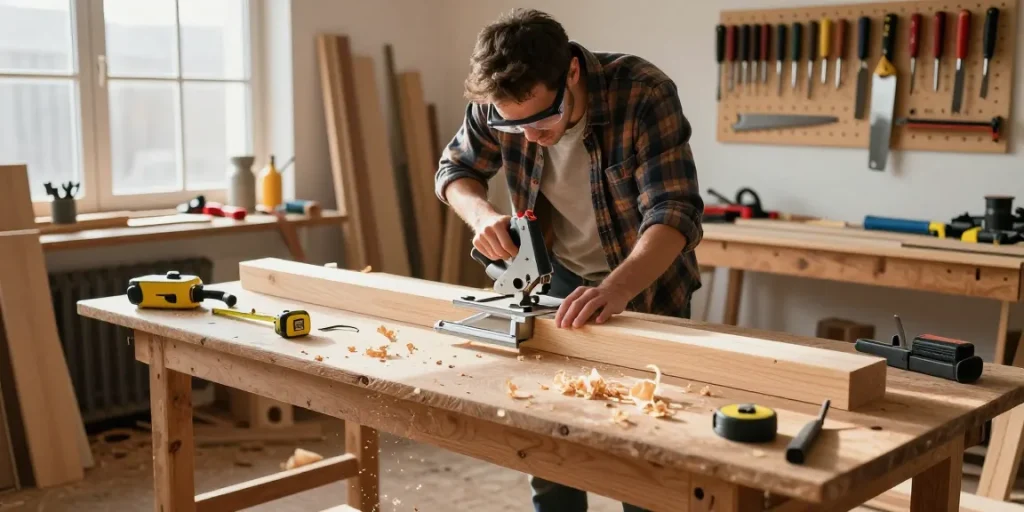
Understanding the Hand Mitre Saw
The hand mitre saw, a staple in woodworking, has been cherished by both amateur craftsmen and seasoned professionals alike. This versatile tool allows for precision cuts at specific angles, making it essential for a variety of projects. Whether you’re constructing a framework for a new piece of furniture or tackling intricate moldings, understanding how to use a hand mitre saw effectively can greatly enhance your craftsmanship. When exploring options, a hand mitre saw provides comprehensive insights and capabilities that can elevate your work.
What is a Hand Mitre Saw?
A hand mitre saw is a manual saw designed for making precise crosscuts and mitre cuts in wood and other materials. It features a horizontal blade with a sharp edge and, typically, a swinging arm that allows for angled positioning. This tool is primarily used to cut wood at predetermined angles, commonly 45 and 90 degrees, although some models allow for a broader range of angles. The design of the hand mitre saw aims to provide accuracy and control, making it a preferred choice for detailed woodworking tasks.
How Does a Hand Mitre Saw Work?
The operation of a hand mitre saw is relatively straightforward. The user places the material to be cut against a fence that aligns the workpiece, while the blade, mounted on a guide, is adjusted to the desired angle. The cutting action is performed by pushing the blade down through the material, applying even pressure. The mechanics of the hand mitre saw allow for clean, precise cuts by stabilizing the workpiece and minimizing the risk of slippage during the cutting process.
Common Uses of Hand Mitre Saws in Woodworking
Hand mitre saws are employed in various woodworking applications, including:
- Creating frame corners for picture frames or doors
- Cutting trim and molding for home improvement projects
- Crafting furniture pieces that require angled joints
- Building model kits with intricate components
Because of their versatility in achieving accurate angles, hand mitre saws are often favored by hobbyists and professionals working on projects where precision is paramount.
Benefits of Using a Hand Mitre Saw
Precision Cuts and Angles
One of the standout benefits of using a hand mitre saw is its ability to create precision cuts. The design of the saw allows woodworkers to achieve exact angles, making it invaluable for projects that require a high degree of accuracy. Whether you’re cutting baseboards or custom cabinetry, the control afforded by a hand mitre saw can lead to a flawless finish.
Portability and Ease of Use
Hand mitre saws are lightweight and compact, making them easy to transport from one job site to another. In contrast to power tools, they don’t require electricity, allowing for use in various settings. This portability makes them particularly useful for both DIYers and professionals who need to work in different locations without the hassle of cords and heavy equipment.
Cost-Effectiveness for DIY Projects
For those embarking on home improvement projects, the affordability of hand mitre saws offers significant cost savings. They typically have a lower price point than power mitre saws, making them an excellent choice for beginners or those on a budget. Additionally, the durability of a hand mitre saw means it can remain functional for many years if properly maintained.
Comparing Hand Mitre Saws with Other Saws
Hand Mitre Saw vs. Power Mitre Saw
While both hand and power mitre saws are designed for cutting at angles, there are key differences between the two. Power mitre saws offer speed and efficiency, allowing for rapid cuts, making them indispensable for larger projects. However, hand mitre saws provide greater control, enabling users to make fine adjustments to their cuts. For intricate work where precision is vital, many craftsmen prefer the hand mitre saw.
Advantages Over Circular Saws
Hand mitre saws excel in making angled cuts that require a flat and stable base. Circular saws, while versatile, often do not provide the same level of accuracy for mitred corners or detailed work. The ability to fix the workpiece securely with a hand mitre saw also means there’s less chance of wandering cuts, which can be a common issue with circular saws.
When to Choose a Hand Mitre Saw for Your Project
A hand mitre saw is particularly beneficial when working on small to medium-sized projects that demand precision. If your task involves detailed cabinetry, trim work, or framing, opting for a hand mitre saw can enhance the quality of your work. For larger projects that require multiple cuts in a short time, a power mitre saw may be more suitable.
Best Practices for Using Hand Mitre Saws
Safety Tips for Operating a Hand Mitre Saw
Safety should always be a priority when using any saw. Here are some essential safety tips:
- Always wear protective eyewear to shield your eyes from sawdust.
- Keep your fingers away from the blade and adhere to the recommended distance.
- Ensure the saw is stable on a flat surface before making cuts.
- Use clamps to secure the workpiece for added stability.
By following these guidelines, you can reduce the risk of accidents while using a hand mitre saw.
Essential Techniques for Accurate Cuts
To achieve the best results with a hand mitre saw, consider employing these techniques:
- Measure your cuts accurately before positioning the material.
- Mark the cut line clearly to guide your saw.
- Practice smooth, even pressure on the blade to avoid splintering the wood.
- Use the same angle for both cuts when working on a frame or joint.
Consistent practice and attention to detail will improve your skills over time.
Maintaining Your Hand Mitre Saw for Longevity
Proper maintenance is crucial to ensure your hand mitre saw remains in optimal working condition. Regularly clean the blade and remove any resin build-up. Store the saw in a dry place to prevent rusting and keep the blade protected. Checking the alignment and ensuring all components are functioning correctly will also extend the life of your tool.
Future Trends in Hand Mitre Saws and Woodworking
Innovations in Hand Tools for 2026
As we look toward the future of woodworking and hand tools, emerging technologies are likely to shape the next generation of hand mitre saws. Innovations may include enhanced materials for blades that improve durability, ergonomic designs for better user comfort, and integrated measurement systems for even greater accuracy.
Adapting to Sustainable Woodworking Practices
With an increasing focus on sustainability, the woodworking industry is seeing a shift toward eco-friendly practices. This trend is likely to influence the materials used in hand mitre saws, with manufacturers exploring sustainable options that do not compromise performance.
The Role of Hand Tools in Modern Craftsmanship
In an age dominated by power tools, hand tools like the hand mitre saw are experiencing a renaissance. Craftsmen are returning to traditional methods to achieve a connection with their materials, emphasizing artisanal quality in their projects. This trend underscores the continued importance of hand tools in modern woodworking.
What are the Common Applications of Hand Mitre Saws?
Hand mitre saws are versatile and can be used in various applications, such as:
- Trimming baseboards and crown moldings
- Making joints for furniture assembly
- Creating custom frames for artwork
- Cutting dowels and other small wood pieces
These applications highlight the tool’s ability to facilitate detailed craftsmanship across different woodworking disciplines.
How to Choose the Right Hand Mitre Saw?
Selecting the right hand mitre saw depends on several factors, including:
- The type of projects you plan to undertake
- The range of angles you need for your cuts
- Your budget and storage capacity
Assessing your specific needs will help you find a model that suits your woodworking style.
Can Beginners Use a Hand Mitre Saw Effectively?
Absolutely! Hand mitre saws are user-friendly and can be mastered by beginners with some practice. Starting with basic projects can help build confidence and skill, allowing you to gradually tackle more complex tasks as you become comfortable with the tool.
What Maintenance is Required for a Hand Mitre Saw?
Maintaining a hand mitre saw involves regular cleaning, checking for loose components, and ensuring the blade remains sharp. It is also advisable to periodically lubricate moving parts to prevent wear and tear.
How Does the Hand Mitre Saw Compare to Other Saws?
Compared to other saws, the hand mitre saw stands out for its precision and control. Unlike power saws, it provides a tactile experience that allows users to feel the material as they cut, contributing to a more customized outcome. In contrast, other saws may offer speed but can lack the precision needed for detailed work.
What Are the Essential Safety Precautions?
In addition to the safety tips mentioned earlier, always ensure that your workspace is organized and free of obstacles. Avoid distractions while cutting and make sure to use the correct blade for the material you are cutting to prevent accidents.
Are Hand Mitre Saws Suitable for Professional Use?
Yes, many professionals rely on hand mitre saws for their accuracy and control. For more information, Mister Worker offers valuable insights. While power tools have their place, the precision offered by hand tools can be a significant advantage in detailed work, making them suitable for various professional woodworking applications.