Understanding Felt Roofing: History and Evolution
Felt roofing has long been a trusted solution for flat roofs, providing a waterproof barrier that can withstand harsh weather conditions. As homeowners and builders alike seek durable roofing solutions, felt roofing has undergone significant advancements over the years. Today, modern felt roofing systems are engineered to offer exceptional strength and versatility, making them suitable for various types of buildings. When exploring options, felt roofing provides comprehensive insights into materials and services available to homeowners across the UK.
What is Felt Roofing?
Felt roofing refers to a type of roofing system primarily used for flat or low-pitched roofs. It typically consists of multiple layers of felt material, often made from asphalt and reinforced with fiberglass or polyester. The layering process provides increased strength and waterproofing properties, making felt roofs a popular choice for garages, extensions, and commercial buildings.
Historical Context: Felt Roofing Through the Ages
The use of felt in roofing dates back centuries, evolving from simple bitumen sheets to complex, multi-layered systems. Originally, roofs were often covered with untreated felt, leading to issues like brittleness and leakage over time. As technology progressed, manufacturers began producing advanced felt materials that could better withstand environmental stressors. This transformation has made felt roofing a staple in modern construction.
Key Developments in Felt Materials
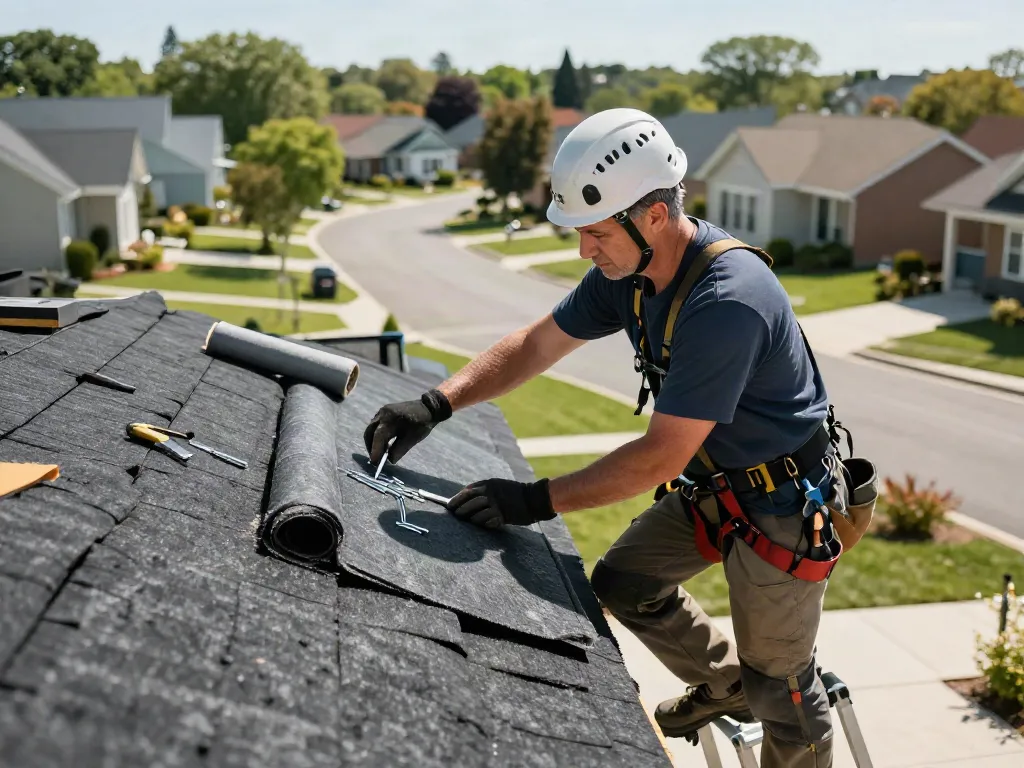
One of the most pivotal advancements in felt roofing has been the introduction of torch-on felt systems. This method involves heating the felt during installation, allowing it to bond with the underlying substrate and create a seamless waterproof layer. Additionally, the introduction of mineral-surfaced felt has offered improved UV resistance, enhancing durability and longevity.
Why Choose Felt Roofing for Your Home?
Choosing felt roofing over other materials comes with numerous benefits. Its combination of affordability, durability, and ease of installation makes it an attractive option for many homeowners. Modern felt roofing systems are designed to provide superior protection from water infiltration and extreme temperatures, translating into significant savings on repairs and maintenance.
Benefits of Modern Felt Roofing Systems
- Waterproofing: Advanced felt materials prevent leaks and pooling water, ensuring your building remains dry.
- Cost-Effectiveness: Felt roofing is generally less expensive than other roofing systems, offering good value for a reliable solution.
- Longevity: Properly installed felt roofs can last anywhere from 10 to 20 years, depending on the quality of materials and maintenance.
Comparing Felt Roofing to Other Options
When considering roofing options, it's essential to compare felt roofing with alternatives like metal, wood, and tile roofing. While metal roofs offer longevity and durability, they can be significantly more expensive. Wooden roofs provide aesthetic appeal but require more maintenance and can be prone to rot. Felt roofing strikes a balance, providing a cost-effective, reliable solution that can meet various needs.
Cost-Effectiveness and Longevity
The initial cost of installing a felt roof is generally lower than more traditional roofing options. Moreover, its durability means that the long-term maintenance costs are also reduced. Homeowners appreciate the financial benefits, as felt roofing can significantly enhance a property's value without breaking the bank.
Finding Trusted Felt Roofing Specialists Near You
Hiring an experienced roofing contractor is crucial for ensuring the successful installation and maintenance of your felt roof. With many contractors in the marketplace, identifying reputable specialists can seem daunting. Utilizing online services, especially platforms that match homeowners with local roofers, can simplify the process immensely.
The Importance of Hiring Experienced Professionals
Felt roofing installation requires specific skills and knowledge. Experienced professionals understand the nuances of different roofing materials and installation techniques, enabling them to deliver high-quality results that stand the test of time. Moreover, reputable contractors will often provide warranties on their workmanship, giving homeowners peace of mind.
How to Validate a Roofer’s Credentials
Before hiring a roofing contractor, it is important to validate their credentials. Homeowners should check for proper licensing, insurance, and customer reviews. Asking for references from previous clients can also provide insight into the contractor's reliability and quality of work.
Using Quote Services to Connect with Local Roofers
Using services like Felt-Roof.co.uk can help homeowners access a network of vetted roofing contractors in their area. By submitting an enquiry, homeowners can receive quotes from multiple contractors, allowing them to compare prices, materials, and timelines effectively. This competitive approach ensures that homeowners find the best solution for their felt roofing needs.
DIY vs Professional Installation: Making the Right Choice
While some homeowners may be tempted to tackle a roofing project themselves, it’s crucial to weigh the potential risks and rewards. DIY projects can save money upfront, but the long-term costs associated with improper installation can be significant.
Common DIY Felt Roofing Mistakes to Avoid
- Improper Surface Preparation: Not adequately preparing the roofing surface can lead to poor adhesion and leaks.
- Inaccurate Measurements: Miscalculating material requirements can lead to waste or insufficient coverage.
- Ignoring Weather Conditions: Installing roofing in adverse weather can compromise the project’s integrity.
When to Call in the Experts
Homeowners should consider professional installation for larger projects or when the roof has extensive damage. Experts can provide insights that may not be readily apparent to a novice, ensuring that the roofing system is both functional and durable.
Cost Implications of DIY versus Professional Installation
While DIY may offer immediate savings, the cost implications of potential mistakes can lead to higher expenses down the line. Hiring a professional may present a higher upfront cost, but the assurance of a job well done can save money over time through reduced maintenance and repair needs.
Future Trends in Felt Roofing: What to Expect in 2026
As the construction industry evolves, so too do the materials and methods used in felt roofing. Innovations continue to emerge, promising to enhance the performance and sustainability of felt materials.
Innovations in Felt Roofing Technology
Future trends may include the adoption of more sustainable materials, such as recycled felts and advanced polymer technologies that improve waterproofing capabilities. Additionally, manufacturers are likely to focus on creating lighter, more durable felt solutions that are easier to install.
Environmental Considerations and Sustainability
With growing concerns about climate change, the felt roofing industry is shifting towards eco-friendly practices. This includes the use of materials that reduce environmental impact and offer greater energy efficiency. Homeowners interested in sustainability will find that modern felt roofing systems can contribute to a lower carbon footprint.
Predictions for the Felt Roofing Market
Analysts predict a steady growth in the felt roofing market as more homeowners recognize its benefits. The continued development of high-performance products will attract a broader audience, ensuring that felt roofing remains a viable option for different types of buildings.
Frequently Asked Questions about Felt Roofing
What types of buildings are best suited for felt roofing?
Felt roofing is ideally suited for flat or low-pitched roofs found on garages, extensions, and commercial buildings. Its waterproofing properties make it a reliable choice in situations where traditional roofing materials may not be effective.
How long does a felt roof typically last?
With proper installation and maintenance, a felt roof can last anywhere from 10 to 20 years, depending on the quality of materials used and the specific environmental conditions it faces.
What maintenance does a felt roof require?
Regular maintenance of a felt roof includes inspecting for blisters, tears, and pooling water. Keeping the roof clear of debris and addressing minor issues promptly can extend the life of the roof significantly.
Can felt roofing be installed over existing materials?
Yes, in many cases, felt roofing can be installed over existing roofing materials, provided they are in good condition. However, it's essential to consult with a professional to assess the underlying structure before proceeding.
What are the signs that I need to replace my felt roof?
Common signs that indicate a need for replacement include significant leaks, noticeable sagging, large areas of blistering, and visible wear and tear on the surface. If you notice any of these, it's best to contact a professional for an evaluation.