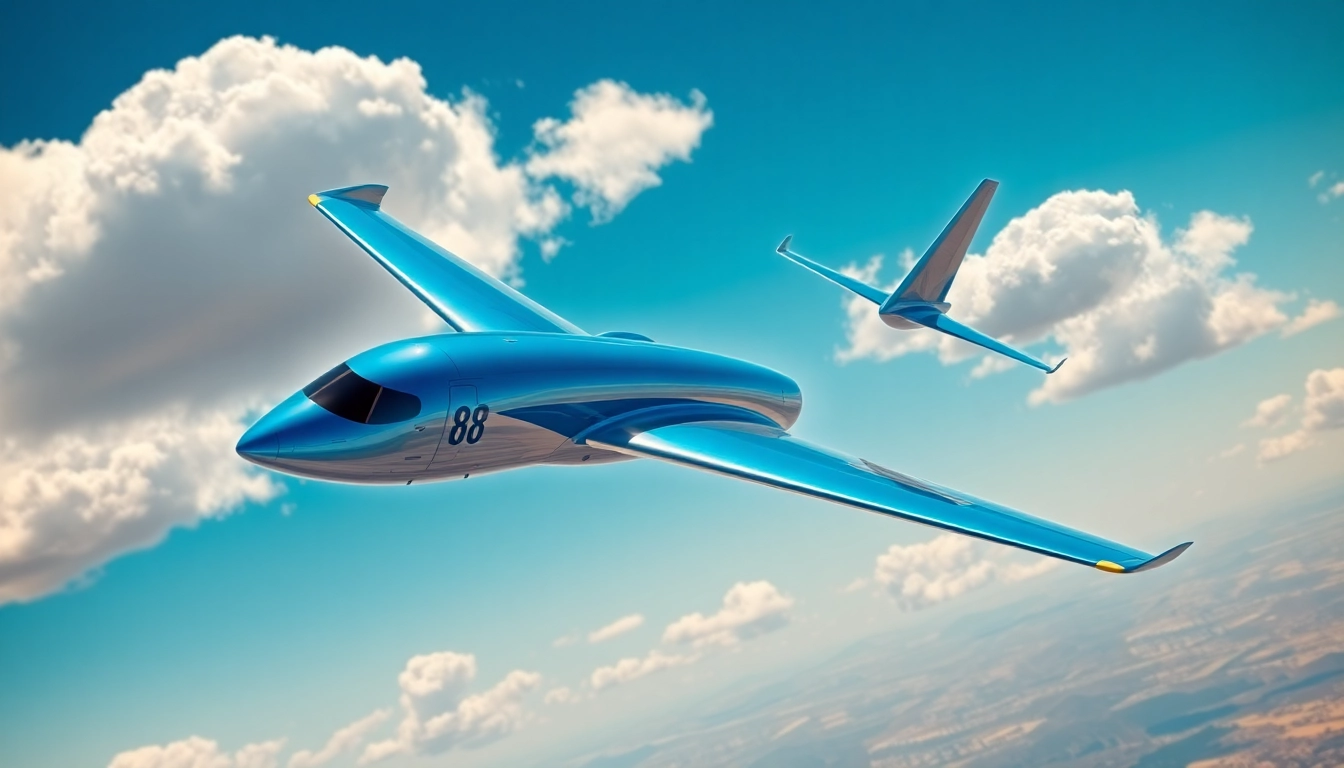
The Future of NK88 Aviation: Trends and Innovations
As we advance deeper into the 21st century, the landscape of aviation is evolving rapidly, driven by technological innovations and shifting consumer expectations. The NK88 model, a cutting-edge aircraft design, is at the forefront of this transformation. In this exploration, we will dissect emerging technologies influencing aircraft design, assess the impact of environmental regulations, and analyze how consumer preferences are shaping the future of aviation. Understanding these dynamics is crucial for stakeholders in the aviation industry, as it provides insights into operational strategies that align with market trends.
For those seeking a modern perspective on aviation developments, resources like NK88 can provide comprehensive insights into ongoing trends and innovations.
Emerging Technologies in Aircraft Design
The introduction of innovative materials and design methodologies is revolutionizing aircraft construction. Advanced composites, such as carbon fiber reinforced polymers (CFRP), are being increasingly utilized in the manufacturing of aircraft fuselages and wings. These materials not only reduce weight but also enhance structural integrity, leading to improved fuel efficiency and performance. Moreover, additive manufacturing, or 3D printing, is now making inroads in fabricating complex components that were once thought too intricate to produce.
The integration of artificial intelligence (AI) in aircraft systems is another significant development. AI can optimize flight paths in real time, manage maintenance schedules proactively, and enhance passenger experience through personalized services. As these technologies advance, the NK88 is positioned to benefit from increased reliability and operational efficiency.
Impact of Environmental Regulations on Aviation
Environmental concerns are reshaping the aviation industry, prompting strict regulations aimed at reducing carbon emissions and noise pollution. The International Air Transport Association (IATA) has set ambitious targets to cut net aviation emissions by 50% by 2050, compared to 2005 levels. This means that aircraft like the NK88 must adapt through innovations such as more fuel-efficient engines and alternative fuels. Biofuels and synthetic fuels are gaining traction as potential replacements for traditional jet fuels, paving the way for a cleaner aviation sector.
Consumer Preferences Shaping Future Aircraft
As travelers become more environmentally conscious, their preferences are influencing airlines to invest in greener technologies. The NK88, designed with fuel efficiency in mind, aligns perfectly with this shift. Additionally, consumers are seeking enhanced comfort and connectivity during flights. Aircraft interiors are being revamped to include more spacious seating, improved cabin pressure, and advanced in-flight entertainment systems. Understanding what passengers value most will continue to drive design choices in future aircraft models.
Understanding NK88's Role in Commercial Aviation
Historical Context and Development
The NK88 series has its roots in a legacy of innovative engineering, being developed as a response to the increasing demand for efficient and reliable air travel. Since its inception, the NK88 has undergone numerous upgrades, ensuring it meets both current and future aviation standards. Historical analysis of the NK88 reveals how advancements in aerodynamics and materials science have shaped its design journey.
Comparative Analysis with Competitor Models
When evaluating the NK88 against competitors such as Boeing's latest models and Airbus A320 series, it stands out in its fuel efficiency and operational cost-effectiveness. While competitor models have established themselves as reliable choices in the commercial aviation sector, the NK88 offers unique features such as advanced avionics and lower maintenance needs, making it an attractive option for airlines looking to reduce overhead costs.
Market Demand and User Insights
Market research indicates that airlines are increasingly seeking aircraft that provide operational flexibility and cost savings. The NK88 is designed to cater to these needs, emphasizing not only passenger comfort but also operational efficiency. Insights from various airlines showcase a growing preference for aircraft with lower environmental footprints, which the NK88 is well-equipped to deliver.
Operational Efficiency of NK88: Strategies for Success
Maintenance Best Practices for Optimal Performance
To maximize the performance of the NK88, airlines must adhere to rigorous maintenance schedules that incorporate predictive analytics. By utilizing data from previous flights, maintenance teams can anticipate potential issues before they arise, thereby minimizing downtime and keeping operational costs low. Training crew and ground staff in the latest maintenance practices is essential for ensuring that the NK88 continues to deliver optimal performance throughout its lifecycle.
Cost-Effective Operations in Modern Aviation
Cost management is a critical component for airlines in today’s competitive market. The NK88's design offers lower fuel burn rates due to its advanced aerodynamics, which translates to significant savings over time. Furthermore, incorporating newer technologies in navigation and flight management systems can streamline flight operations, reducing delays and improving on-time performance.
Safety Protocols and Compliance Standards
Safety remains the paramount concern in aviation. The NK88 adheres to stringent safety protocols established by aviation authorities worldwide. Implementing comprehensive training programs for pilots and cabin crew ensures that all personnel are familiar with emergency procedures and operational standards. This commitment to safety not only protects passengers but also enhances the airline's reputation in a marketplace where trust is vital.
Case Studies: Successful NK88 Implementations
Real-World Application Examples
Several airlines have successfully integrated the NK88 into their fleets, noting considerable improvements in operational efficiency. For instance, a leading low-cost airline reported a 20% reduction in fuel costs within the first year of operating the NK88, thanks to its fuel-efficient design.
Lessons Learned from Industry Leaders
Industry leaders have highlighted the importance of customer feedback in continuously improving the NK88. By engaging with passengers and incorporating their preferences into design upgrades, airlines can ensure the aircraft meets evolving demands. Additionally, embracing a culture of innovation within the organization facilitates ongoing enhancements that keep the NK88 competitive.
Measuring Success with Performance Metrics
To gauge the performance of the NK88, airlines must implement robust metrics that assess operational efficiency, passenger satisfaction, and environmental impact. Metrics such as cost per seat mile, load factor, and customer Net Promoter Score (NPS) provide invaluable insights into the aircraft's performance in a real-world setting.
Preparing for the Future: NK88 and Beyond
Predicted Advances in Aviation Technology
As we look ahead, the aviation sector is poised for extraordinary advancements. Technologies such as electric and hybrid propulsion systems are on the horizon, promising to revolutionize how aircraft operate. The NK88 could potentially be adapted for hybrid systems, combining traditional jet engines with electric motors to reduce emissions and operating costs.
Future Challenges for the NK88 Model
Despite its strengths, the NK88 will face challenges as regulations tighten and competition intensifies. Maintaining operational flexibility while adhering to new environmental standards will require ongoing innovation and investment. Additionally, staying ahead of competitors in terms of technology adoption will be crucial for sustaining market relevance.
Opportunities for Future Growth and Development
The future for NK88 is bright, with numerous opportunities for growth as the aviation industry continues evolving. Adopting sustainable practices, expanding into underserved markets, and innovating customer service will position the NK88 as a leader in contemporary aviation. By leveraging technological advancements and consumer insights, the NK88 can adapt to meet the challenges of tomorrow's aviation landscape.