Comprehensive Hijama Training London: Master Essential Techniques by 2026

Understanding Hijama Therapy and Its Benefits
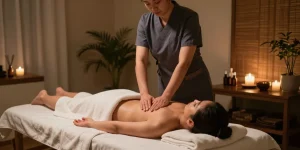
Hijama, also known as cupping therapy, has gained immense popularity in recent years, particularly in the context of holistic health and wellness. This ancient practice involves creating suction on the skin using specialized cups, stimulating blood flow and promoting healing. With an increasing interest in alternative therapies, many individuals are seeking Hijama training London to learn more about this beneficial technique. This article will explore the intricacies of Hijama, its historical significance, health benefits, and essential training for practitioners.
What is Hijama Therapy?
Hijama therapy is a form of traditional Islamic medicine that dates back thousands of years, used primarily for its healing properties. The practice involves applying cups to the skin, creating a vacuum that draws out toxins and stagnant blood from the body. This method is believed to alleviate various ailments, including pain, inflammation, and physical stress. Hijama can be classified into two main types: dry cupping, which involves suction without incisions, and wet cupping, which incorporates minor incisions to draw blood.
Historical Context and Cultural Significance
The roots of Hijama can be traced back to ancient civilizations, including the Chinese, Egyptians, and Greeks, who used cupping techniques for medicinal purposes. In Islamic culture, Hijama is regarded highly and is mentioned in several hadiths (sayings of the Prophet Muhammad), which emphasize its benefits. This historical significance adds depth to the practice and continues to influence its acceptance in modern medicine.
Health Benefits of Hijama for Women
Research suggests that Hijama offers numerous health benefits, particularly for women. Some of the most notable benefits include:
- Pain Relief: Women suffering from menstrual cramps, migraines, or chronic pain conditions may find relief through Hijama.
- Emotional Well-being: The therapy is known to reduce stress and anxiety, promoting a sense of calm and relaxation.
- Improved Circulation: The suction from the cups increases blood flow, which can be beneficial for overall health and recovery from injuries.
Choosing the Right Hijama Training Course in London
As interest in Hijama grows, so does the number of training programs available. However, not all courses are created equal. It’s essential to choose a training program that aligns with your goals and needs. Consider the following factors when selecting your Hijama training course:
Factors to Consider When Selecting a Course
When looking for Hijama training, keep these aspects in mind:
- Accreditation: Ensure that the training provider is accredited and recognized by relevant health and professional bodies.
- Course Content: Evaluate the curriculum to ensure it includes both theoretical knowledge and practical skills.
- Instructor Experience: Research the qualifications and experience of the instructors to ensure you receive quality education.
Accredited Training Providers in London
Various accredited training providers in London offer courses in Hijama. Some notable options include:
- The Suuk – Offers an intensive three-day course covering theory and practical skills.
- London Hijama And Alternative Therapy Academy – Focuses on holistic healing and offers a variety of courses.
- HijamaLife – Provides intensive courses suitable for beginners and experienced practitioners.
Reviews and Testimonials: Making an Informed Choice
Before committing to a training program, take the time to read reviews and testimonials from previous students. They can offer insights into the quality of the training, the support provided by instructors, and overall satisfaction with the course. Platforms such as Google Reviews or social media can be great places to start your research.
Essential Techniques Taught in Hijama Training
Understanding the various techniques involved in Hijama is crucial for anyone looking to practice this therapy. Training will typically cover a range of methods, including:
Understanding Different Hijama Techniques
Aside from the basic principles of cupping, courses will often delve into different techniques, such as:
- Static Cupping: Where cups are placed on the skin and left for a set duration.
- Moving Cupping: Involves moving the cups across the skin without removing them to increase circulation.
- Wet Cupping: Incorporates incisions to draw blood, targeting deeper issues within the body.
Hands-on Practice: What to Expect During Training
Practical experience is a vital component of any Hijama training. Expect to engage in hands-on practice sessions where you will:
- Learn proper cup placement and techniques.
- Understand how to assess patients and tailor treatments to individual needs.
- Participate in supervised practice sessions to build confidence and competence.
Health and Safety Standards in Cupping Therapy
Training programs should also emphasize the health and safety standards necessary for practicing Hijama. Practitioners must be trained in:
- Sanitation and hygiene practices to prevent infections.
- Understanding contraindications and when to refer patients to medical professionals.
- Managing client expectations and ensuring informed consent.
Real-world Applications of Hijama Therapy
With a solid foundation in Hijama techniques, practitioners can apply their skills effectively in various settings. This section explores practical applications of the therapy.
Case Studies: Successful Treatments and Outcomes
Several case studies highlight the efficacy of Hijama in treating various conditions:
- Chronic Pain Management: A study indicated significant pain reduction in patients with arthritis after a series of Hijama sessions.
- Muscle Recovery: Athletes have reported faster recovery times from injuries when incorporating Hijama into their rehabilitation routine.
- Anxiety Relief: Many women have found that regular Hijama treatments helped alleviate symptoms of anxiety and depression.
Integrating Hijama into Holistic Health Practices
Considering Hijama as part of a holistic approach to health can enhance overall wellness. Practitioners are increasingly integrating this therapy with other alternative treatments such as:
- Massage therapy
- Acupuncture
- Nutritional counseling
Future Trends in Cupping Therapy Post-2026
Looking ahead, we can expect significant growth in the acceptance and integration of Hijama into mainstream healthcare. Anticipated trends include:
- Increased Research: More clinical studies validating the efficacy of Hijama will likely emerge, solidifying its place in medical practice.
- Expanded Training Programs: As demand grows, more training programs with diverse curricula will become available.
- Technological Advancements: Innovations in equipment and techniques will enhance practitioner effectiveness and client safety.
Frequently Asked Questions About Hijama Training
As you consider embarking on your Hijama training journey, here are some common questions and answers that may help:
What is the typical duration of Hijama training?
The duration of Hijama training can vary, with some intensive courses lasting only a few days, while more comprehensive programs may extend over several weeks.
Are there any prerequisites for attending Hijama courses?
Most Hijama training courses do not require prior medical qualifications, but having a background in health or wellness can be beneficial.
What are the potential costs associated with Hijama training?
Course fees can vary widely, typically ranging from £300 to £700, depending on the provider and the depth of training offered. Always check for what’s included in the fee.
Is certification necessary for practicing Hijama?
While certification may not be legally required, obtaining a recognized qualification can enhance credibility and attract clients.
How to find Hijama training courses near me?
Online searches are the easiest way to find Hijama training courses in your area. Consider searching specific terms like “Hijama training London” or check local wellness centers for offerings.