Enhancing Your Home with Metal Roofing Toronto: Benefits and Best Practices

Introduction to Metal Roofing Toronto
As homeowners increasingly seek durable and aesthetically pleasing roofing solutions, metal roofing has emerged as a top choice. Particularly in Toronto, the climate’s challenges make selecting the right roofing material essential for longevity and efficiency. In this article, we will explore the ins and outs of metal roofing in Toronto, encompassing its features, advantages, and common materials. For those considering metal roofing toronto, this guide aims to provide a comprehensive understanding of what makes metal a popular option among homeowners.
What is Metal Roofing?
Metal roofing refers to roofing systems made from metal materials, including steel, aluminum, copper, and zinc. This type of roofing is distinct from traditional shingles, slate, or tile roofs, offering a range of styles that can complement various architectural designs. Metal roofs come in panels or shingles and can be coated for a longer lifespan, contributing to energy efficiency and aesthetic appeal.
Key Advantages of Metal Roofing
Choosing metal roofing comes with a host of benefits:
- Durability: Metal roofs can withstand extreme weather conditions, including heavy snow, hail, and strong winds. They are resistant to rust, corrosion, and even fire.
- Longevity: Many metal roofs can last anywhere from 40 to 70 years with minimal maintenance, making them a worthwhile investment for homeowners.
- Energy Efficiency: Metal roofing reflects solar radiant heat, helping maintain cooler indoor temperatures and potentially reducing energy costs by 10-25%.
- Low Maintenance: Unlike traditional roofing materials, metal roofs require less frequent inspections and maintenance, simplifying the homeowner’s responsibilities.
- Eco-Friendly: Many metal roofs are made from recycled materials, and they can be recycled at the end of their life cycle, contributing to sustainability.
Why Choose Metal Roofing Toronto?
The climate in Toronto presents unique challenges for homeowners. With cold winters, heavy snowfall, and occasional storms, the roofing material must not only resist leaking but also handle heavy snowloads effectively. Metal roofing is a perfect match as it offers quick snow shedding due to its smooth surface, reducing the risk of ice dams and leaks. Additionally, its lightweight structure compared to traditional materials means less strain on the building structure itself.
Types of Metal Roofing Materials
Understanding the different types of metal roofing materials is crucial for making an informed decision:
Common Metal Roofing Options
Some widely used metal roofing options include:
- Steel: This is one of the most common materials, known for its strength and affordability. Steel can be galvanized or galvalume, providing additional resistance against rust.
- Aluminum: Lightweight and resistant to corrosion, aluminum roofing is popular for coastal areas but is also beneficial in Toronto’s urban settings.
- Copper: Renowned for its unique beauty, copper roofs develop a green patina over time, contributing to their charm. However, they are on the higher end of the price spectrum.
- Zinc: Similar to copper in aesthetics and longevity, zinc roofs are eco-friendly and require minimal maintenance.
Comparing Steel and Aluminum Roofing
When choosing between steel and aluminum for metal roofing in Toronto, it is important to consider a few key differences:
- Weight: Aluminum is lighter than steel, making it easier to handle and install, particularly useful for renovation projects.
- Corrosion Resistance: Both materials are resistant, but aluminum’s natural oxidation creates a barrier that helps it resist rust better than steel. However, galvanized steel roofing can also achieve a high level of rust resistance.
- Cost: Steel is generally more affordable than aluminum, making it a budget-friendly option for many homeowners.
- Aesthetics: If visual appeal is a priority, copper and aluminum offer distinctive looks that many homeowners desire.
Eco-Friendly Metal Options
Given the increasing focus on sustainability, many manufacturers offer eco-friendly metal roofing products. Recycled steel and aluminum options are readily available, which reduce landfill waste and resource consumption. Additionally, selecting a roof with a reflective coating can decrease the heat absorbed by the building, leading to lower cooling costs and a reduced carbon footprint.
Installation Process for Metal Roofing Toronto
Understanding the installation process is essential for homeowners considering metal roofing:
Preparation and Planning Steps
The first step in the installation process is thorough planning. Homeowners should assess the existing roof and check for any underlying issues that must be addressed before the new roof goes on.
- Inspection: Inspect the current roof for rot or damage.
- Permits: Obtain any necessary building permits from local authorities.
- Choosing Materials: Select the type of metal roofing that fits both budget and aesthetic preferences.
Professional Installation vs. DIY
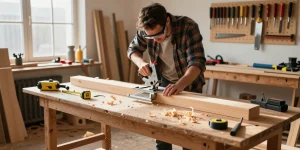
While some homeowners may choose a do-it-yourself approach, hiring professionals is often recommended for several reasons:
- Experience: Professionals have the necessary experience and knowledge to handle complex installations safely.
- Quality Assurance: Professional roofers can provide guarantees on their work and ensure that the installation meets local building codes.
- Safety: Roof installation can be hazardous. Experienced roofers have safety measures in place to prevent accidents.
Tools and Equipment Needed
For those opting for the DIY route, here are some essential tools and equipment for metal roofing installation:
- Metal snips or a reciprocating saw for cutting panels.
- A power drill with metal drill bits for screw installation.
- Safety harnesses and a sturdy ladder.
- Measuring tape and chalk lines for accuracy.
- Seam sealant to ensure a tight waterproof installation between panels.
Maintenance Tips for Metal Roofs
Proper maintenance is key to extending the life of a metal roof:
Regular Inspection Guidelines
Homeowners should plan to inspect their metal roofs at least twice a year, in addition to following a post-storm check. Look for signs of distress, such as:
- Loose or missing screws.
- Rust spots or corrosion.
- Debris accumulation in valleys and gutters.
Cleaning and Upkeep Best Practices
Cleaning metal roofs is generally straightforward. Here are best practices:
- Use a gentle cleaner and soft-bristled brushes to avoid scratching the surface.
- Flush out gutters and downspouts regularly to ensure proper water flow.
- Remove leaves, branches, and other debris to prevent mold growth.
Signs Your Metal Roof Needs Repair
Timely repairs can extend the life of your roof significantly. Be alert for:
- Punctures or tears in the metal surface.
- Leakage signs on ceilings or walls inside your home.
- Visible corrosion or rust spots that are expanding.
FAQs about Metal Roofing Toronto
What are the costs associated with metal roofing in Toronto?
The cost of metal roofing in Toronto varies based on material, installation complexity, and home size. On average, expect to pay between $7 and $12 per square foot for materials and labor combined.
How long does a metal roof last?
Metal roofs can last 40-70 years depending on the material and maintenance. Steel roofs typically last 40 years, while aluminum can last up to 70 years.
Are metal roofs energy efficient?
Yes, metal roofs reflect solar radiant heat, which can reduce cooling costs by 10-25%, making them an energy-efficient option for homes in Toronto.
Can I install a metal roof over my existing roof?
In many cases, you can install metal roofing over an existing roof if there are no more than two layers. However, check local building codes for specific regulations.
Do metal roofs require much maintenance?
Metal roofs have low maintenance needs, but regular inspections and cleaning to remove debris and check for rust are recommended to ensure longevity.