Expert Insights on House Extension Construction Costs and Benefits in 2026

Understanding House Extension Construction
House extension construction is an excellent way to create additional living space while enhancing the overall value of your property. In vibrant Melbourne, where the charm of its diverse architectural styles is matched only by the increasing demand for space, extending your home can be a practical solution to accommodate a growing family or to modernize your living environment. When exploring options, house extension construction provides comprehensive insights into the benefits and processes involved.
Why Consider a House Extension?
Considering a house extension can stem from various motivations. Perhaps your family is growing, and you need more space, or you want to update the functionality of your home. There are compelling reasons to consider this construction approach:
- Increased Space: A house extension can provide much-needed space without the need to move to a new location.
- Increased Property Value: Well-planned extensions can enhance your property’s market value, appealing to future buyers.
- Customization: You can tailor the extension to fit your exact needs, such as adding a larger kitchen, extra bedroom, or modern living area.
Key Benefits of House Extension Construction
House extensions offer numerous benefits, from improving your living conditions to offering a more profitable investment. Here are some key advantages:
- Cost-Efficiency: In many cases, extending your home is more cost-effective than relocating, especially considering the expenses associated with buying a new property.
- Preserve Your Location: If you love your neighborhood and community, a house extension allows you to stay while enhancing your living space.
- Personalized Design: The process allows you to incorporate aspects that reflect your personal style and needs, from modern kitchens to home offices.
Types of Home Extensions to Explore
There are several types of house extensions you can consider, each with unique benefits and design opportunities:
- Single-Storey Extensions: Ideal for adding a new living space or expanding an existing room.
- Double-Storey Extensions: Perfect for significantly increasing your home’s size while maintaining your yard space.
- Garage Conversions: Transforming your garage into a functional room can provide extra space without a traditional extension.
- Loft Conversions: Utilizing your loft space for additional rooms or storage can be a cost-effective way to increase square footage.
Planning Your House Extension
Before diving into your house extension project, careful planning is essential. By defining your needs and setting clear goals, you can ensure a smoother construction process while aligning your project with your lifestyle.
Assessing Your Needs and Goals
Understanding why you want to extend your home is crucial. Assess your family’s needs—will you benefit from another bedroom, an open-plan living space, or perhaps a larger kitchen? Define your goals by considering how the extension will enhance your life. Collaborate with a professional to create a design that complements your existing architecture while fulfilling your needs.
Setting a Realistic Budget for Extensions
The cost of house extension construction can vary significantly based on multiple factors, including design, materials, and labor. To avoid unexpected financial burdens, set a realistic budget early in the process. Consider all potential expenses, including:
- Design and architectural fees
- Construction costs
- Utility upgrades and extensions
- Furnishings and interior finishes
Navigating Permits and Legal Requirements
In Melbourne, understanding local building regulations is vital for a successful house extension. Failure to obtain the necessary permits can lead to complications during and after construction. Work closely with your builder to ensure compliance with local requirements and obtain all required approvals before starting the project.
The House Extension Construction Process
The process of house extension construction involves several critical stages, each requiring careful execution to ensure a successful outcome.
Engaging with a Professional Builder
Choosing the right builder is perhaps the most important step in your extension journey. Look for professionals with experience in house extensions who can bring your vision to life. A reliable builder will guide you through initial consultations, design stages, and build processes, ensuring quality and efficiency.
Stages of the Construction Process
Understanding the stages involved in house extension construction helps set accurate expectations. Here’s a breakdown of the key phases:
- Initial Consultation and Design: Discuss your vision with the builder, who will help you translate your ideas into practical designs.
- Site Preparation: This includes clearing the area and preparing the foundation, possibly involving demolition of existing structures.
- Framing and Structural Work: Builders create the skeleton of the extension, ensuring it integrates seamlessly with the existing home.
- Electrical and Plumbing Installation: Essential systems such as plumbing and electrical work are installed early in the process.
- Internal Finishing: The final touches, including flooring, wall finishes, and fixtures, are completed to bring your vision to life.
Quality Control and Compliance Checks
Maintaining quality throughout the construction process is essential for longevity and safety. Regular inspections should be conducted to ensure compliance with building standards and local regulations. Engaging with your builder during this phase can help address potential issues before they escalate.
Key Features to Include in Your Extension
An extension should combine style and functionality to enhance your living experience. Here are some essential features to consider:
Modern Open-Plan Living Areas
Open-plan layouts are increasingly popular, fostering a spacious and airy feel. This design can encourage family interaction and allow for flexible use of space. When designing your extension, consider how the flow between rooms will impact your daily life.
Innovative Kitchen Designs for Functionality
The kitchen often serves as the heart of the home. When planning your house extension, focus on creating a kitchen that balances aesthetics with practicality. Features such as ample storage, modern appliances, and smart design can enhance usability while adding visual appeal.
Luxury Bathroom Features and Finishes
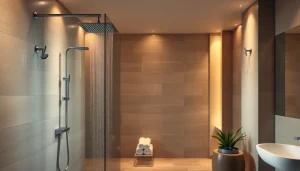
Bathrooms are prime areas for luxury upgrades. Consider incorporating relaxing features like walk-in showers, soaking tubs, and heated flooring to elevate comfort. High-quality finishes can also transform an ordinary bathroom into a spa-like retreat.
Cost Breakdown and Budgeting Tips
Being financially prepared for your house extension construction can alleviate stress and enable you to make informed decisions throughout the project.
Average Costs of House Extensions in 2026
As of 2026, the average cost of a house extension in Melbourne ranges from AUD 1,500 to AUD 3,000 per square meter, depending on design choices and construction complexity. Keep in mind that these costs may vary based on specific needs and market conditions.
Ways to Save on Your House Extension
Cost savings can be achieved through various strategies:
- Streamlined Design: Opt for simplified designs that reduce construction time and material costs.
- Standardized Materials: Using off-the-shelf materials can significantly lower expenses compared to custom options.
- Phased Construction: If budget constraints are a concern, consider completing the project in phases to spread out costs.
Understanding Value Addition through Extensions
A well-executed house extension not only improves your living space but can also significantly increase your property’s overall value. Research shows that homeowners can expect a return on investment of up to 70-80% on a well-planned extension, making it a sound financial decision.