Key Benefits of Vediography for Weddings and Events

Understanding Vediography
What is Vediography?
Vediography is a specialized form of videography dedicated to capturing significant moments and translating them into visual memories. It goes beyond mere recording; it encompasses storytelling through video, blending artistry with technique. Often used in weddings, corporate functions, and memorable events, Vediography revolves around creating narratives that resonate emotionally with viewers. Its ability to weave together visuals, sound, and movement makes it an essential tool for preserving experiences in a way that still photography cannot achieve.
The Importance of Vediography in Modern Media
In an increasingly digital world, the value of video content cannot be overstated. Vediography serves as a crucial element in media production, helping brands and individuals convey their messages effectively. From promotional videos to social media posts, vediography enhances engagement by adding depth and emotion to the content. With the rise of platforms like YouTube and TikTok, the need for high-quality video has surged, making vediography an indispensable skill for content creators and marketers alike.
Difference Between Vediography and Traditional Videography
Though vediography and traditional videography may seem similar, they differ significantly in approach and purpose. Traditional videography often involves straightforward recording of events, such as lectures or conferences, focusing primarily on documentation rather than emotional engagement. In contrast, vediography encompasses a narrative-driven approach, keen on evoking feelings and experiences through visual storytelling. This makes vediography more suited for events where emotional connection is vital, like weddings, anniversaries, or milestone celebrations.
Why Choose Vediography for Your Events
Capturing Memories with Vediography
One of the primary reasons individuals and businesses choose vediography is the ability to capture memories in a lifelike manner. Unlike images that may lose context over time, video brings those captured moments back to life. By integrating sound and movement, vediography preserves not only the visual aspect of an event but also the atmosphere, emotions, and dialogues that make those moments special. This is particularly important for family events, where the shared laughter and heartfelt speeches contribute to the overall narrative.
Emotional Impact of Vediography
The emotional impact of vediography can be profound. Studies show that video content is more likely to elicit emotional responses compared to text or still images, making it a powerful medium for storytelling. During events such as weddings or graduations, vediography can capture tears of joy, laughter, and intimate moments that resonate long after the event has passed. This emotional connection helps individuals relive their cherished memories time and again, making vediography an invaluable addition to any event.
Vediography in Various Types of Events
Vediography is versatile and applicable to a wide range of events. Whether it’s a wedding, corporate gathering, or a milestone birthday, vediography can adapt to the event’s unique atmosphere. In weddings, vediographers document not just the ceremony but also candid moments, the reception, and personal messages from guests. For corporate events, vediography captures speeches, presentations, and the overall ambiance, useful for marketing purposes. In documentaries, the vediographer tells a story over time, integrating interviews and insightful narratives that provide depth and context.
Best Practices for Effective Vediography
Essential Equipment for Vediography
Creating high-quality vediography requires specific equipment to ensure that the end product meets professional standards. Essential gear includes:
- Camera: A DSLR or mirrorless camera is ideal for high-quality video capture.
- Tripod: To stabilize shots and avoid shaky footage.
- Microphone: An external microphone enhances audio quality, crucial for capturing speeches and dialogue.
- Lighting: Proper lighting sets the mood and enhances the visuals, particularly in low-light situations.
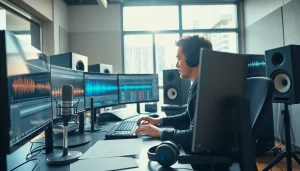
- Editing Software: Professional software is essential for post-production to assemble the narrative smoothly.
Tips for Planning a Vediography Shoot
Planning is crucial for an effective vediography shoot. Here are some tips to honor:
- Prepare a Shot List: Outline all necessary shots to ensure you capture all key moments.
- Communicate with Clients: Understanding their vision and preferences is vital.
- Scout Locations: Visit the venue ahead of time to familiarize yourself with the setting and lighting conditions.
- Test Equipment: Before shooting, ensure that all equipment is in working order and fully charged.
- Plan for Contingencies: Be prepared for unpredictable situations, such as changes in weather or schedule.
Key Techniques for Professional Vediography
To elevate your vediography skills, consider the following techniques:
- Storytelling: Weave a narrative that encompasses beginning, middle, and end to keep viewers engaged.
- Angles and Perspectives: Vary your shooting angles to create a dynamic visual experience.
- Sound Design: Use background music and natural sounds to enhance emotional impact.
- Editing Techniques: Master transitions, pacing, and color grading to improve your final product.
- Client Involvement: Involve clients in the editing process, allowing them to voice preferences.
Case Studies: Successful Vediography Projects
Wedding Vediography Case Study
A recent wedding vediography project showcased the unique moments that made the couple’s day special. By closely collaborating with the bride and groom, the vediographer planned to capture not just the ceremony but also the candid interactions between guests. The final product featured heartfelt vows, joyful dance sequences, and personal messages, resulting in a poignant keepsake for the couple that even inspired more clients to seek vediography services.
Corporate Event Vediography Success
In a company’s annual conference, vediography played a significant role in documenting keynote speakers and informal networking sessions. The final video was used for promotional purposes, showcasing the company culture and highlighting key takeaways from the conference. This successful project increased engagement in future events as attendees could share the video on social media, effectively acting as a marketing tool.
Documentary Vediography Example
For a local community project, a vediographer created a documentary that followed residents’ stories over a year. By capturing interviews, events, and daily life, the documentary not only preserved these memories but also sparked community interest and support for local initiatives. The final product served as a testament to the power of storytelling through vediography, emphasizing the importance of documenting real human experiences.
Frequently Asked Questions About Vediography
What should I look for in a vediographer?
Look for experience, a strong portfolio, and the ability to communicate effectively. A good vediographer should understand your vision and be adaptable to your needs.
How long will it take to receive my vediography?
Typically, it takes four to six weeks to receive your final vediography, though timelines may vary based on the project’s complexity and the vediographer’s workload.
Can I customize my vediography package?
Yes, many vediographers offer customizable packages that allow clients to pick and choose services based on their specific requirements and budget.
What formats do you provide for the vediography?
Vediography is usually provided in various formats, including digital files, DVDs, and sometimes even streaming options to cater to different preferences.
How do I prepare for a vediography session?
Prepare by discussing your vision with your vediographer, providing a shot list, and ensuring the setting’s conditions are suitable for filming to achieve the best results.